
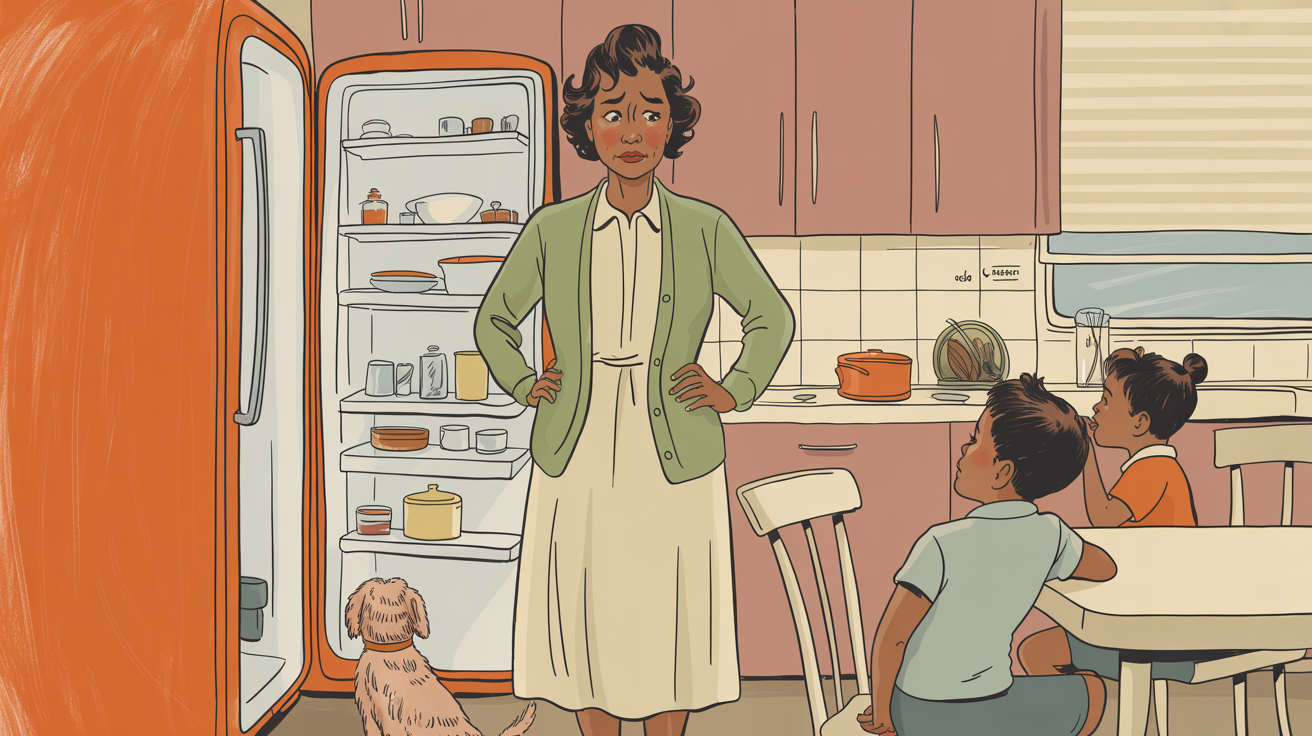

How To Make Meals Fun
They’ll tell you to meal prep on Sundays. Spend three hours chopping vegetables, portioning proteins, and labeling containers with the precision of a chemistry lab.
Here’s what they won’t tell you: by Wednesday, you’ll be staring at those containers with the enthusiasm of someone facing a pile of laundry. And by Thursday, you’ll order takeout anyway.
Meal planning doesn’t fail because you’re doing it wrong. It fails because most advice assumes you have energy, time, and enthusiasm you don’t actually have.
What Actually Makes Meals Work
Meal planning that works isn’t about perfection. It’s about removing one decision from your day.
When you’re juggling work, kids, and the mental load of everything else, the real problem isn’t cooking. It’s the decision fatigue that peaks at 5pm when someone asks “what’s for dinner?” and your brain has already made 47 other decisions.
A meal planner doesn’t make you a better cook. It makes dinner one less thing to figure out when you’re already running on empty.
Download your free Ultimate Meal Planner below this article – no email required
Why Planners Actually Help
Here’s the truth: meal planners work when they remove decisions, not when they add rules.
The Ultimate Meal Planner isn’t about becoming the kind of person who color-codes their grocery list. It’s about having a simple system when your brain is too tired to invent dinner from scratch.
What makes this different:
It has space for your actual life. Some weeks you’ll use the detailed daily planner. Other weeks you’ll scribble three dinner ideas and call it done. Both count.
It includes a “recipes to try” section that doesn’t judge you when you never actually try them. Sometimes, meal planning is writing down “rotisserie chicken + bagged salad” five times.
It tracks your favorite recipes so you can stop pretending you’ll remember that pasta dish your family actually ate without complaining.
It has grocery lists organized by category, which matters when you’re standing in the produce section with a crying toddler trying to remember if you need onions.
How Healthy Meals Actually Happen
Let’s talk about what “healthy eating” looks like when you’re exhausted.
It’s not meal prepping 14 perfectly balanced lunches on Sunday. It’s having a plan so you’re not defaulting to drive-thru because thinking hurts.
Healthy meals for busy families look like:
- Protein + vegetable + carb all cooked in one pan
- Repeating the same five meals your kids will actually eat
- Frozen vegetables (they count just as much as fresh)
- Rotisserie chicken appearing in three different forms throughout the week
The meal planner helps because you can batch your thinking. Spend 10 minutes on Sunday deciding what you’re eating. Then stop thinking about it.
Why this makes you healthier:
When you’re not making food decisions while exhausted and starving, you’re less likely to grab whatever’s easiest. Planning ahead means you buy actual ingredients instead of hoping inspiration strikes at 6 pm.
But here’s the real benefit: reducing decision fatigue makes everything easier. When dinner isn’t a daily crisis, you have mental space for other things. Like remembering to drink water.
Making Boring Meals Fun (Without Making More Work)
The meal planning accounts will tell you to “make it fun” with themed nights and creative presentations and vegetables shaped like flowers.
You’re not doing that. And that’s fine.
Here’s what actually makes meals more enjoyable:
Involve your kids (barely): Let them pick one dinner from a list of three options you’re willing to make. They get choice. You get boundaries.
Repeat meals without guilt: Tuesday’s dinner can be Thursday’s lunch. Breakfast for dinner counts. The same pasta three times in one week is efficient, not boring.
Use the “favorite foods” section: Write down what your family actually eats. Not what you wish they’d eat. What they will consume without complaining. That’s your rotation.
Make one thing different: Same chicken, different seasoning. Same pasta, different sauce. Your brain interprets this as variety without requiring a new recipe.
Let “fun” mean “easy”: Sometimes fun is fish sticks shaped like dinosaurs. Sometimes it’s letting everyone build their own tacos. Sometimes it’s eating pancakes for dinner because they spark more joy than another round of chicken breast.
The planner’s recipe cards help here. When you find something that works, write it down with the difficulty rating. On low-energy days, stick to level 1 or 2.
How The Planner Actually Works
The Ultimate Meal Planner has multiple formats because not every week requires the same level of planning.
Daily Meal Planner: Breakfast, lunch, dinner, snacks, notes. Use it when you need detail. Skip it when you don’t.
Weekly Meal Planner: The realistic version. Seven days, four categories, one shopping list. Fill in what you know. Leave blank what you don’t.
Monthly Overview: For people who think ahead. Or for people who want to make sure they’re not serving spaghetti 12 times in one month. (Though if spaghetti works, serve it 12 times.)
Calorie Journal: Track if you want to. Skip if it makes you feel worse.
Recipe Pages: Multiple formats for different organizing styles. Pick what makes sense to your brain. Ignore the rest.
Grocery Lists: Pre-organized by category (frozen, meats, vegetables, dairy) so you’re not wandering the store trying to remember what else you needed.
Inventory Tracker: Track what’s in your pantry so you stop buying the same canned tomatoes every week while six cans sit untouched.
Food Lists: For dietary restrictions, allergies, or tracking what your picky eater has decided to hate this month.
What This Actually Does For Your Family
Meal planning with this planner isn’t about becoming a better cook. It’s about carrying less.
Less mental load, wondering what’s for dinner. Less guilt when you repeat meals. Less money wasted on forgotten groceries. Less stress at 5:45 pm with no plan. Less decision fatigue because you already decided.
When meals are planned —even loosely— your family benefits:
They eat more variety because you’re not defaulting to panic meals. They get more nutrients because you actually bought vegetables. They see you less stressed, which matters more than perfectly balanced meals. Meals aren’t a battleground, they’re just dinner.
The Permission You Need
You don’t need permission to use this planner “wrong.” There is no wrong.
Some weeks you’ll plan every meal. Other weeks you’ll write “fend for yourself” on three nights and order pizza twice. Both are valid.
You’re allowed to:
- Plan the same five meals on rotation
- Skip breakfast planning because cereal exists
- Use the planner only for dinners
- Write “rotisserie chicken” as an ingredient, not a recipe
- Make meal planning as simple or detailed as your energy allows
The goal isn’t perfect meal planning. The goal is removing one source of daily stress.
Download the Ultimate Meal Planner below – it’s free, no email required
What Makes This Different
Most meal planners are designed for people who enjoy meal planning. This one is designed for people who just need to feed their family without losing their mind.
It’s flexible enough for your actual life. Use the pages that help. Skip the ones that don’t.
It’s designed for real food, not aspirational food. There’s space for “chicken nuggets” right next to “homemade stir-fry” because both are legitimate dinners.
It’s free because you shouldn’t have to pay for something that makes basic survival easier.
It doesn’t require an email address because you’re tired of trading your information for resources you need.
It’s printable so you can have it on your fridge, not buried in an app you’ll forget to check.
How To Start (Without Overwhelm)
Don’t fill out every page. Don’t plan a month of meals. Don’t reorganize your entire kitchen.
Start here:
Week 1: Write down three dinners you know how to make. Put them on different nights. Fill in the other nights later (or don’t).
Week 2: Use the grocery list page. Even if you only write five items.
Week 3: Try one new page. Maybe the favorite recipes. Maybe the meal ideas. Pick one thing that might make next week slightly easier.
That’s it. Meal planning doesn’t have to be a whole system. It can just be a piece of paper that answers “what’s for dinner” so your brain doesn’t have to.
The Real Win
Meal planning isn’t about having your life together. It’s about having a tool for days when you don’t.
On good days, you’ll plan a week of varied, nutritious meals and feel like you’re winning.
On hard days, you’ll write “cereal” under three different meals and that’s exactly what the planner is for—giving you permission to do the bare minimum when that’s all you’ve got.
Making meals fun doesn’t mean elaborate recipes or themed nights. It means making meals less of a burden. Less stressful. Less of a daily decision that drains whatever energy you have left.
This planner does that. Not because it’s special. Because it removes one thing from your mental load.
Download the Ultimate Meal Planner below. Use what helps. Skip what doesn’t. No rules. No guilt. Just one less thing to figure out when you’re already exhausted.
Some days, that’s everything.
5 Questions Busy Moms Actually Ask About Meal Planning
Q: How do I meal plan when my family is picky and everyone wants something different?
A: You don’t become a short-order cook, that’s how. Pick one base meal and let people customize. Taco bar. Pasta with different sauces on the side. Build-your-own bowls with rice, protein, and toppings. Or designate one night where everyone makes their own (cereal, sandwiches, leftovers—whatever). The planner’s “favorite foods” section helps you track what each person will actually eat so you can rotate through safe options without the nightly negotiation.
Q: What do I do when I planned meals but then don’t feel like cooking what I planned?
A: Swap it. The planner isn’t a contract. If you planned chicken on Tuesday but want the Wednesday pasta instead, switch them. Or keep a running “emergency meals” list in your planner—things you can make with pantry staples when the plan falls apart. Scrambled eggs. Grilled cheese. Frozen pizza. Having permission to bail on the plan is part of having a plan.
Q: How do I stick to a grocery budget when meal planning?
A: Plan your meals around what’s already in your pantry first, then add only what you need. Use the inventory tracker to see what you actually have. Build meals around one or two proteins you buy on sale, then rotate vegetables and sides. The planner’s grocery list with budget column helps you add up costs before you get to checkout. And honestly? Meal planning saves money because you stop buying random ingredients for recipes you never make.
Q: What about lunches? I can barely plan dinner, let alone three meals a day.
A: Lunch is dinner leftovers. That’s the whole strategy. Make extra at dinner, pack it for lunch. If there aren’t leftovers, lunch is sandwiches, cheese and crackers, or whatever you can grab. The daily planner has space for lunch if you want to plan it, but most busy moms use that space to write “leftovers” or leave it blank. Both are fine.
Q: How far in advance should I actually plan meals?
A: However far works for your brain. Some people plan a month and feel calm. Some people plan three days and feel suffocated by more. Start with one week. If that feels good, try two. If it feels like too much, try three days. The planner has daily, weekly, and monthly pages because different timeframes work for different people—and for the same person in different seasons. When life is chaotic, plan less. When you have bandwidth, plan more. There’s no right answer.
DOWNLOAD THE Ultimate Meal Planner – No email required. No signup. Just download and use.










Some blog articles may contain affiliate links to products or services for which we may receive a commission on transactions. Some of the content on this blog site may be assisted by A.I. generators.
Thank you for visiting our blog!






3 Comments