

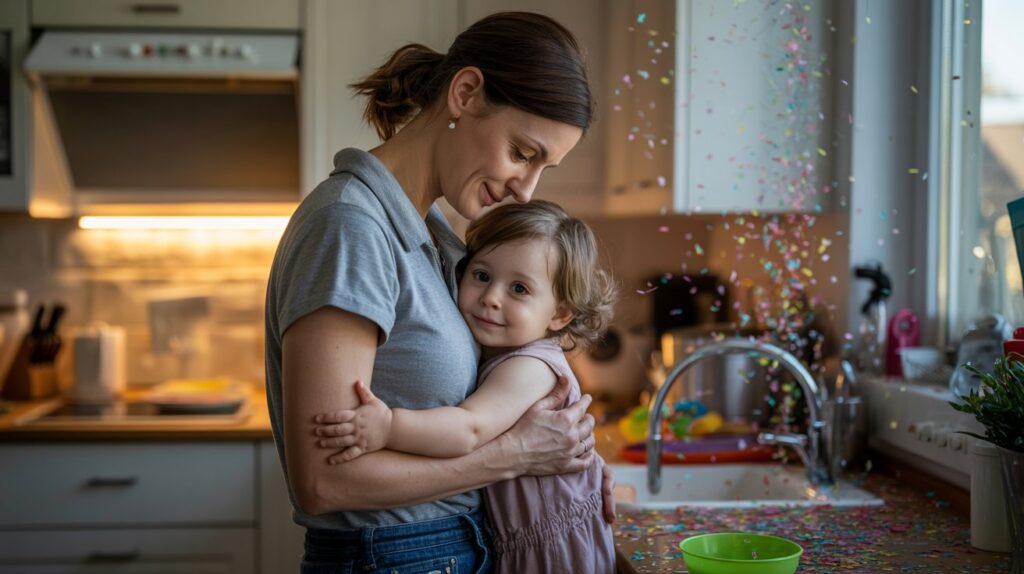
There are days when nothing goes the way you planned. You wake up with low energy, or you’re feeling blue for no reason you can name. Something unexpected happens and throws off everything you thought you’d get done. A flare hits. Bad news lands. Exhaustion settles in like fog. Or there’s just that quiet low mood that lingers in the background while you try to function anyway.
And still, there’s this pressure. This voice that says you should keep pushing. That if you just try harder, organize better, manage your time more efficiently, you’ll get back on track. That productivity is the measure of a good day and anything less means you’re falling behind.
But what if the problem isn’t you? What if the idea that progress has to look big to count is what’s actually making things harder?
What if the days you barely survived are the ones that deserve the most celebration?
Why Big Wins Stop Working When Energy Is Low

Big goals are built on assumptions. They assume you have stable energy. Consistent time. Emotional bandwidth that doesn’t fluctuate. They assume tomorrow will feel like today, that your body will cooperate, that nothing unexpected will derail your plans.
During flares or overwhelm, every single one of those assumptions falls apart.
Your energy isn’t stable—it crashes without warning. Your time gets hijacked by pain management, doctors’ appointments, or simply surviving the day. Your emotional bandwidth is stretched thin between managing symptoms, meeting basic needs, and trying not to feel like you’re constantly disappointing everyone, including yourself.
When you’re operating from this place and still chasing big wins, you’re not just setting yourself up for disappointment. You’re actively deepening the feeling of failure. Every unmet goal becomes more evidence that something is wrong with you, that you’re not trying hard enough, that you should be doing better somehow.
The shame spiral starts. The comparison trap opens up. You see other people’s wins and they feel like indictments of your inadequacy.
This is exactly where small wins matter most. Not as consolation prizes. As the actual work of keeping yourself intact.
What a Quick Win Actually Is

A quick win is not a productivity hack. It’s not about optimizing your morning routine or finding a clever system to do more with less. It’s not about fixing everything that feels broken.
A quick win is something doable in the energy you have right now. Not the energy you wish you had. Not the energy you might have tomorrow. Not the energy you had last week when things were better. The energy available in this moment, with this body, in this mood.
It reduces friction, stress, or self-blame. It makes one thing slightly easier or slightly less heavy. Sometimes it creates forward momentum. Sometimes it just stops things from getting worse.
And sometimes—listen carefully—a quick win is rest. Not action. Not pushing through. Not “just this one more thing.” Just stopping before you crash.
Lying down before you collapse is a win. Asking for help before you’re desperate is a win. Lowering your standards before resentment builds is a win.
How to Spot Wins When Everything Feels Off
Quick wins are often invisible unless you actively name them. We’re conditioned to only count the big accomplishments, the visible progress, the things that look productive from the outside. But during hard days, the real wins are quieter and more essential.
You stopped before burning out. You felt your body screaming for rest and instead of ignoring it, instead of pushing until you had no choice but to collapse, you listened. You lay down. You canceled plans. You stopped.
You fed yourself something easy. Maybe it was cereal for dinner. Maybe it was crackers in bed. Maybe it was a protein bar at 3pm when you realized you’d forgotten to eat. You didn’t skip the meal. You didn’t force yourself through an elaborate recipe you didn’t have energy for. You just ate something. Your body got fuel.
You didn’t spiral even though you could have. You felt the pull toward catastrophic thinking—the “everything is falling apart and it’s all my fault and it will never get better” spiral—and you didn’t follow it all the way down. Maybe you distracted yourself. Maybe you called someone. Maybe you just sat with the feeling without letting it become a story. You stayed present instead of disappearing into panic.
You let something go without guilt. You said no to an invitation. You left dishes in the sink. You ordered takeout instead of cooking. You chose ease over perfection and you didn’t punish yourself for it afterward.
You took your medication even though you’re tired of taking medication. You went to the appointment even though you’re exhausted by appointments. You did one thing on your list even though you couldn’t do all the things.
These count. Even if nothing else happened today. Even if your to-do list is untouched. Even if you spent most of the day in bed. These count because they kept you going. They kept you safe. They were acts of care in a moment when care was the hardest thing to access.
Celebrating Wins Without Forcing Positivity

This is not about toxic positivity. This is not about being grateful when things are genuinely hard. This is not about pretending everything is fine or finding the silver lining in suffering.
Celebration doesn’t have to mean joy. It doesn’t require enthusiasm or exclamation points or Instagram-worthy moments of triumph.
Celebration can be quiet. It can be neutral. It can be as simple as naming what you did and letting yourself feel the relief of having done it.
It’s the difference between “I only managed to shower today” and “I showered today.” That shift from self-criticism to simple acknowledgment is celebration. That moment when you notice what you did instead of obsessing over what you didn’t—that’s celebration.
No affirmations required. No forced cheerfulness. No pressure to feel good about something that’s still difficult.
Just honest recognition. You did this thing. It helped. It mattered. That’s worth marking.
Why This Matters More During Flares and Low Moods
Your nervous system needs evidence of safety and control. When everything feels chaotic or uncertain, when your body isn’t cooperating, when emotions feel overwhelming, your brain is actively searching for signals that you’re okay, that you can handle this, that you’re not completely powerless.
Small wins provide that evidence.
They interrupt the all-or-nothing thinking that says if you can’t do everything, there’s no point doing anything. They create tiny anchors of competence when everything else feels like it’s falling apart. They prove that you haven’t completely lost yourself, even when it feels like you have.
And when you celebrate those wins—when you actively pause to acknowledge them—you’re teaching your nervous system something crucial: that you can trust yourself. That even on hard days, you show up for yourself. That survival isn’t just something that happens to you, it’s something you actively do.
This is why celebration matters more than recognition alone. Recognition is passive—you noticed the thing. Celebration is active—you marked it, you honored it, you let it register as meaningful.
That distinction changes everything.
Making Quick Wins a Daily Practice
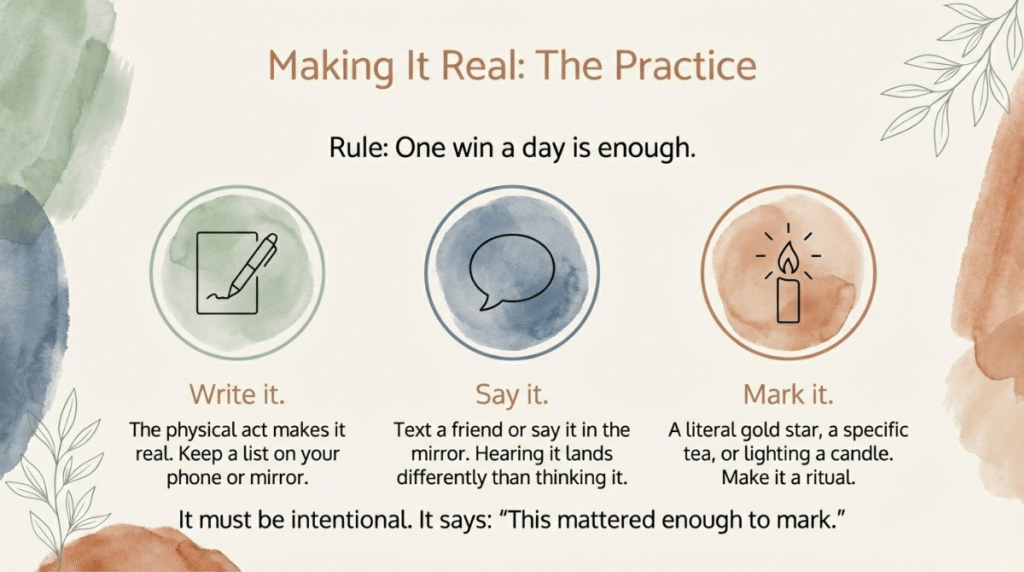
One win a day is enough. Just one. Not five. Not ten. One thing you did that made things even slightly easier or less hard.
Here’s how to make celebration real instead of theoretical:
Write it down. Keep a running list on your phone, in a notebook, on sticky notes you put on your mirror. The physical act of recording it makes it real. You can look back when you need proof that you’re doing better than it feels like you’re doing.
Say it out loud. Tell someone if that feels right. Text a friend. Post in a supportive group. Or just say it to yourself in the mirror. Hearing it makes it land differently than thinking it.
Mark it somehow. This is where actual celebration comes in. Maybe you give yourself a literal gold star. Maybe you send yourself a text: “I did the thing.” Maybe you have a small ritual—a specific mug you use for tea after accomplishing something hard, a playlist you only listen to when you want to acknowledge a win, a candle you light when you survived a difficult day.
It doesn’t have to be big or elaborate. It just has to be intentional. It has to say: this mattered enough to mark.
No ranking. No comparison. Today’s win doesn’t need to be bigger than yesterday’s. Your win doesn’t need to match anyone else’s. Some days the win is making dinner. Some days the win is ordering takeout instead of skipping dinner entirely. Some days the win is simply getting through. They’re all equal because they all served you in that moment.
Do it immediately or it won’t happen. Don’t wait until the end of the day to acknowledge your wins. The longer you wait, the more your brain will minimize them. Notice the win when it happens. Pause for just ten seconds to mark it. Then keep going.
This isn’t one more thing on your to-do list. This is the thing that makes the to-do list survivable.
You’re Not Failing
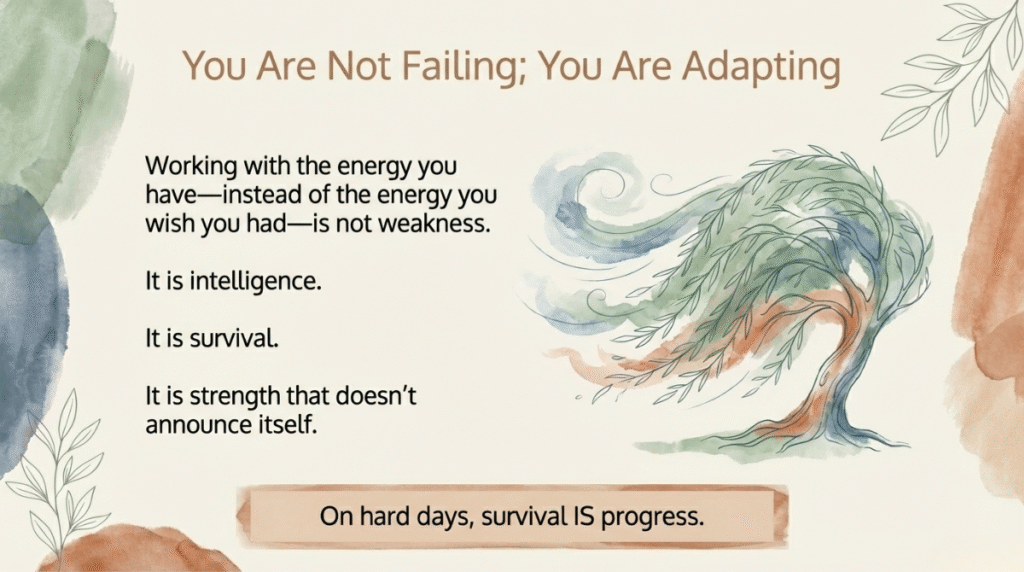
You are not failing because life is heavy right now. You’re not failing because your energy is unpredictable or your mood is low or your plans keep changing. You’re not failing because the wins you’re celebrating don’t look like wins to anyone else.
You are adapting. You’re working with what you have instead of what you wish you had. That’s not weakness. That’s intelligence. That’s survival. That’s strength that doesn’t announce itself but shows up anyway.
On hard days, survival is progress. Getting through is enough. Taking care of yourself in whatever small ways you can manage is more than enough. And celebrating those small acts of care—actually pausing to mark them, to let them count—is what keeps you connected to yourself when everything else feels disconnected.
Tomorrow can hold different energy. Different possibilities. Different wins. But today still counts exactly as it is.
You have permission to celebrate the smallest things. You have permission to make celebration quiet and simple. You have permission to count wins that no one else sees.
And you have permission to need this practice more on hard days, not less.
Your wins are real. They matter. And they deserve to be celebrated—not someday when things are easier, but right now, in the middle of hard, exactly as they are.
Some blog articles may contain affiliate links to products or services for which we may receive a commission on transactions. Some of the content on this blog site may be assisted by A.I. generators.
Thank you for visiting our blog!